
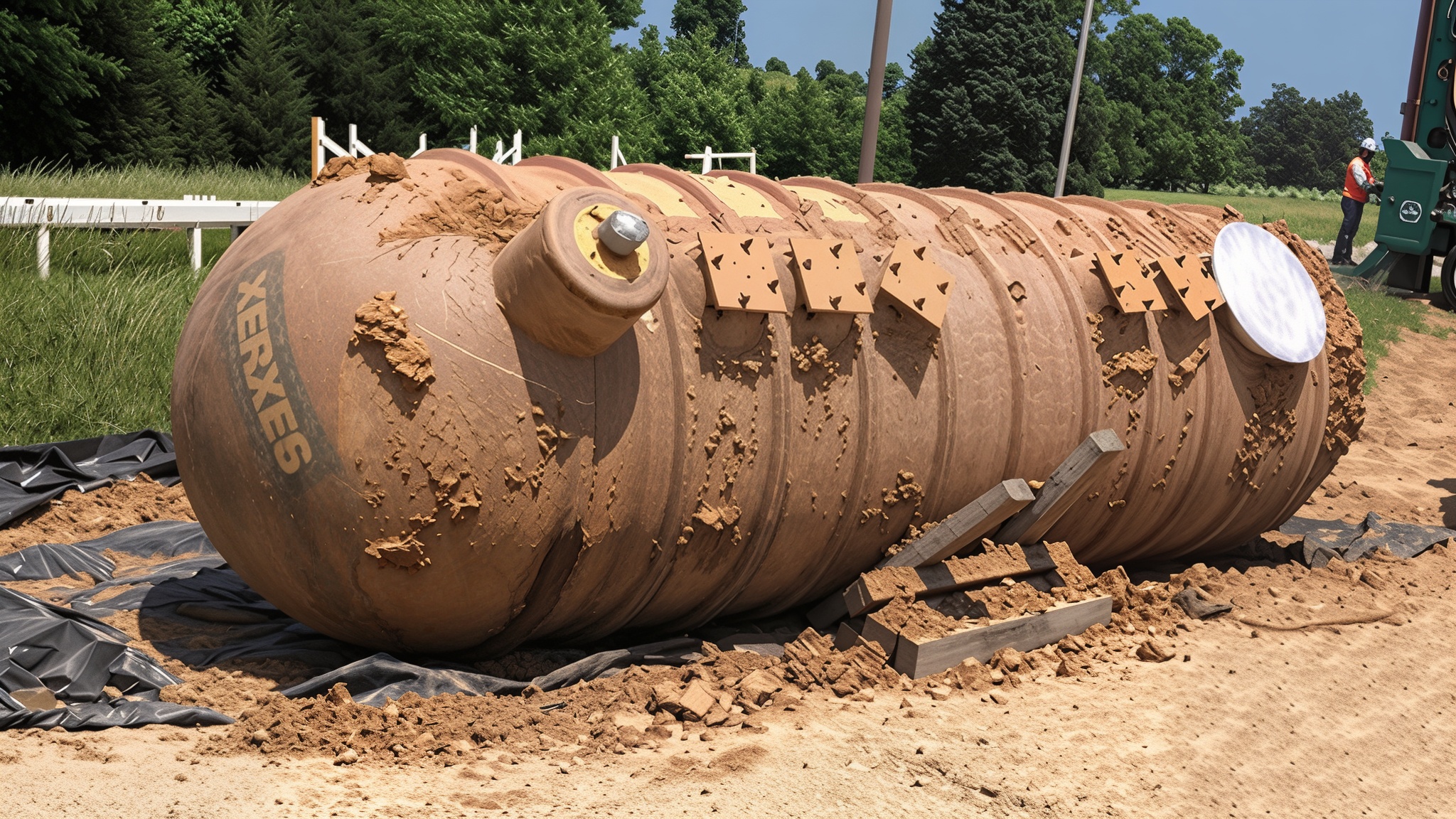
As fueling stations evolve, construction methods must balance efficiency, cost, and environmental responsibility. Today’s “ground-up” installs aren’t just about installing underground storage tanks (USTs) and piping—they’re an opportunity to embed eco-friendly practices from day one. In this post, we’ll explore how sustainable materials, innovative construction techniques, and proactive compliance planning are reshaping the way we build tomorrow’s fuel systems.
1. Choosing Sustainable Materials
- Recycled and Recyclable SteelOpting for steel with high recycled content reduces mining demand and embodied carbon. Look for UL-listed USTs made from 90%+ recycled steel, which are fully recyclable at end-of-life.
- Bio-Based Backfill AlternativesTraditional backfill uses virgin aggregates; eco-alternatives like recycled slag or crushed concrete divert waste from landfills and improve subsidence control.
- Low-VOC Coatings and SealantsVOC-free tank coatings and sealants protect against corrosion without off-gassing harmful chemicals, safeguarding both workers and the local environment.
2. Advanced Leak-Prevention Techniques
- Double-Wall Piping and TanksInstalling interstitial-monitored, double-wall piping and tanks offers continuous leak detection capability, reducing the risk of undetected releases.
- Helium Precision Leak LocatorsDuring pressure testing, helium tracer gas injects into the piping network—its tiny molecules reveal micro-leaks that traditional air or water tests might miss.
- Smart Monitoring SystemsIntegrate remote monitoring hardware that alerts operators in real time to pressure changes or sensor anomalies, enabling immediate response.
3. Energy and Resource Efficiency on Site
- Solar-Powered Monitoring StationsSolar panels can power site lights, leak detectors, and small HVAC units in dispenser canopies, cutting grid dependency.
- Rainwater Harvesting for Wash-DownsCollecting and reusing rainwater for equipment cleaning reduces freshwater use and controls runoff.
- LED Task LightingEnergy-efficient LEDs in dispenser and maintenance areas lower electricity costs and require less frequent replacement.
4. Compliance and Green Incentives
- Leveraging State and Federal GrantsMany jurisdictions offer rebates or tax credits for EPA-approved UST replacements and low-emission construction practices—investigate the Diesel Emissions Reduction Act (DERA) and state energy offices.
- Meeting ASTM and EPA StandardsAdhering to ASTM F2132 for UST installation and EPA’s Leak Detection requirements ensures both environmental protection and eligibility for green financing.
- Documentation for ESG ReportingMaintain detailed build logs—materials sourced, emissions offset, and waste diverted—to bolster corporate sustainability reports.
5. Case Study: Greenfield Station in Austin, TX
- Project Scope: Complete ground-up UST and dispenser install with solar canopy, recycled backfill, and double-wall piping.
- Outcomes:
- 30% reduction in embodied carbon by using recycled steel tanks and backfill
- Zero detectable leaks over two years of helium tracer testing
- 15% annual energy savings via integrated solar panels and LED lighting
- Lessons Learned: Early collaboration with suppliers and regulatory agencies streamlined permitting and maximized grant eligibility.
6. Best Practices for Eco-Friendly Construction
- Early Sustainability AuditAssess site conditions, material availability, and funding programs before groundbreaking.
- Integrated Project TeamInclude environmental specialists, engineers, and grant advisors in all design meetings.
- Phased Installation ApproachSequence work to minimize idle equipment and reduce site disturbance.
- Waste-Minimization PlanRecycle excavation spoils and packaging, and dispose of hazardous materials through certified handlers.
Frequently Asked Questions
Q: How much extra does eco-friendly construction typically add to a ground-up fuel project?A: While high-recycled steel or solar canopy options can add 5–10% to upfront costs, incentives and lifecycle savings often offset this within 3–5 years.
Q: Are there special permits needed for rainwater harvesting systems?A: In most states, simple collection systems require minimal permitting—check local stormwater regulations and building codes to ensure compliance.
Q: Can existing stations be retrofitted with these green techniques?A: Yes—many sustainability measures like double-wall piping, LED lighting, and solar power can be integrated into remodels or equipment replacements.
Ground-up fuel system installations present a unique chance to build resilience, reduce environmental impact, and lower operating costs over the asset’s lifespan. By prioritizing sustainable materials, advanced leak-prevention, and energy-efficient site design—and by tapping into available incentives—you’ll position your station at the forefront of eco-friendly fueling infrastructure.